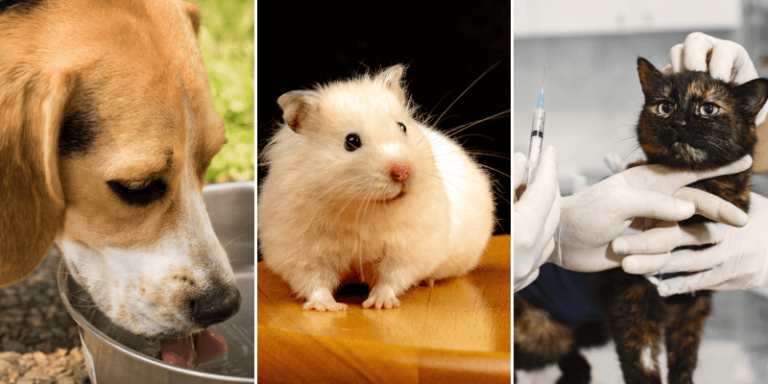

Pets aren’t just animals anymore – they are family. Whether it’s a pampered pup at home, a moody cat who scratches the beloved sofa, or a friendly neighbourhood stray everyone adores, pets have become an inseparable part of our lives. And just like us, they can fall sick too.
Most pets are great at hiding discomfort. That wagging tail or soft purr may not tell you when something’s wrong. That’s why being aware of early signs of illness and knowing what to look out for can make a huge difference.
From tick troubles to upset tummies, this blog is here to guide you through the most common pet health problems- in a way that’s simple and easy to relate to. Whether you’re a first-time pet parent or a seasoned one, you’ll find gentle reminders, helpful pet wellness tips, and signs to watch out for- so your furry friend feels better when they need it most.
Let’s decode common pet health problems, one by one:
1. Ticks & Fleas
If your pet’s been scratching a little more than usual, it might be more than just a random itch. Ticks and fleas are among the most common pet health problems, especially in warmer or humid climates. These tiny grain-like pests can cause everything from mild skin irritation to more serious conditions like tick fever.
What to watch out for:
In dogs, check for excessive scratching, hair loss, scabs, or visible insects near the ears, neck, and tail. One of the first signs of tick infestation in dogs is sudden restlessness or discomfort.
Cats, on the other hand, may groom excessively or show subtle signs like flinching when touched or develop bald spots (often caused by constant scratching).
Prevention tips:
To prevent pet diseases caused by ticks and fleas, regular grooming is a must. Monthly spot-on treatments, tick shampoos, and keeping their bedding clean can go a long way. Indoor pets aren’t entirely safe either, as ticks can easily make their way into the house via you.
For long-term protection, ensure to include tick checks into your pet care routine, especially after outdoor walks or park visits.
2. Dental Disease
Just like us, pets need regular dental care. Dental disease is one of the most overlooked yet common pet health problems, especially in adult cats and dogs. Bad breath may seem harmless, but it’s often the first sign of something more serious- like gum disease, tooth decay, or even infections that can affect the heart or kidneys, if left untreated.
What to watch out for:
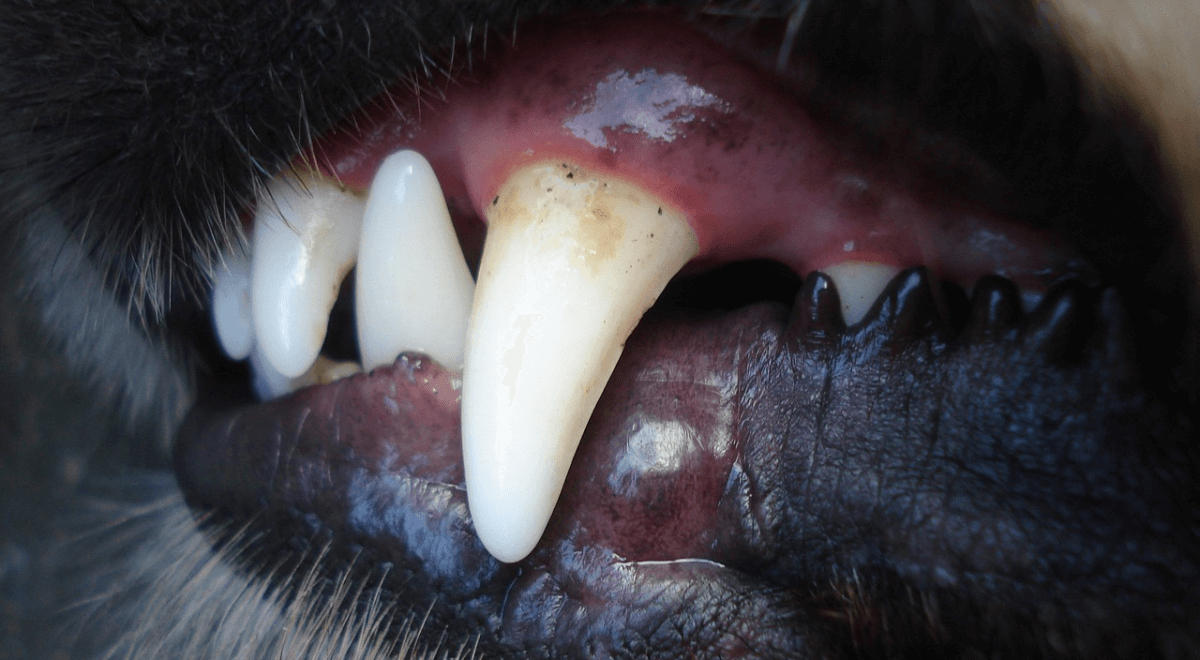
In dogs, early signs include bad breath, yellow or brown buildup on the teeth, pawing at the mouth, or trouble chewing food. Some dogs may even avoid their favourite treats, because the thought of chewing hurts.
Cats are quieter about their dental pain. You might notice a drop in appetite, drooling, or sensitivity around the jaw. Cats with dental issues often hide their discomfort, so regular checks are especially important.
Prevention tips:
Knowing how to prevent dental disease in pets can save your furry friend from a lot of pain and save you from frequent vet visits. Start by brushing your pet’s teeth a few times a week using a pet-safe toothbrush and toothpaste. If brushing isn’t an option, try dental wipes, dental chews, special diets, or vet-recommended oral rinses.
During annual check-ups, ask your vet to examine your pet’s teeth and gums. A little prevention can go a long way in your overall pet care routine.
3. Obesity
A few extra kilos may look cute, but obesity is one of the fastest-growing, yet often under-discussed, common pet health problems today. Carrying excess weight puts strain on your pet’s joints, heart, and overall well being; and can quietly lead to serious health concerns like diabetes, arthritis, or liver disease.
What to watch out for:
In dogs, signs include a rounder belly, difficulty climbing stairs, reduced energy, or heavy breathing after light activity. You might also notice fat deposits near the chest or at the base of the tail.

Cats often gain weight around the abdomen and may become less agile or reluctant to play. Overweight cats also tend to groom less, especially around the lower back, due to stiffness or limited reach.
Prevention tips:
One of the most effective pet wellness tips is portion control. Feed measured amounts based on your pet’s breed, age, and activity level. Try to avoid frequent treats or “human food” indulgences no matter how convincing those puppy eyes might be!
Make physical activity a regular part of your pet care routine – daily walks for dogs and engaging playtime for cats. If you are unsure about your pet’s ideal weight, your vet can help assess and recommend a safe, sustainable diet plan.
Because as adorable as a chonky pet may seem, they deserve to be happy and healthy, too.
4. Skin Allergies
If your pet can’t stop scratching, licking, or biting their skin, it might not just be a passing itch. Skin allergies (medically called dermatitis) are surprisingly common in both dogs and cats; and they can be incredibly uncomfortable, if left untreated. These allergies can be triggered by food, fleas, dust, pollen, or even certain grooming products.
What to watch out for:
Some of the early symptoms of skin allergies in dogs include excessive scratching, redness, bald patches, constant licking (especially around the paws), and visible rashes. Their skin may also feel warm or appear inflamed.
Cats, on the other hand, often show subtle signs – overgrooming, flaky skin, or small scabs, especially around the neck and back. You might also notice hair thinning or sensitivity when touched.
Prevention tips:
Regular grooming helps spot skin issues early. Use gentle, hypoallergenic shampoos and ensure your pet’s bedding and environment are clean. If food is suspected, consider an elimination diet under your vet’s guidance.
Keep fleas and ticks at bay, as they are major allergy triggers. Monitoring your pet’s behaviour is key – a sudden increase in scratching or licking is always worth checking out. With a little observation and the right care, you can prevent pet diseases linked to skin irritation and keep your furry friend itch-free.
5. Vomiting & Diarrhea
We have all seen our pets nibble on something odd and throw up a little later. While an occasional upset tummy isn’t always a cause for concern, frequent vomiting or diarrhea could be a sign of something more serious- like infections, parasites, food intolerance, or organ function issues.
What to watch out for:
Some dog vomiting causes are minor (like eating too fast or mild indigestion), but persistent vomiting, blood in stool, lethargy, or dehydration are red flags. Puppies are especially vulnerable and should be taken to the vet without delay.
In cats, vomiting can be caused by hairballs, but repeated vomiting or loose stools, especially paired with low appetite or hiding behaviour, should never be ignored.
Prevention tips:
A consistent diet, slow feeding methods, and avoiding sudden food changes can help minimise tummy troubles. Ensure your pet stays hydrated, especially in hot weather or after an episode of diarrhea. Keep garbage and toxic human foods (especially chocolates, onions or grapes) out of reach.
And when in doubt, always check with your vet. It’s better to get clarity than wait and worry.
6. Ear Infections
If your pet keeps shaking their head or scratching around their ears more than usual, it might be more than a playful quirk. Ear infections are a common pet health problem, especially in dogs with floppy ears or pets who swim often. Moisture, wax build-up, or even allergies can all lead to painful ear trouble.
What to watch out for:
In dogs, signs of an ear infection include frequent head shaking, scratching at the ears, redness, foul smell, or a brown/yellow discharge. Your dog might even flinch when you touch their ears.
Cats may seem more withdrawn, tilt their head, or scratch persistently at one ear. Infections in cats often go unnoticed until they become severe, so subtle signs matter.
Prevention tips:
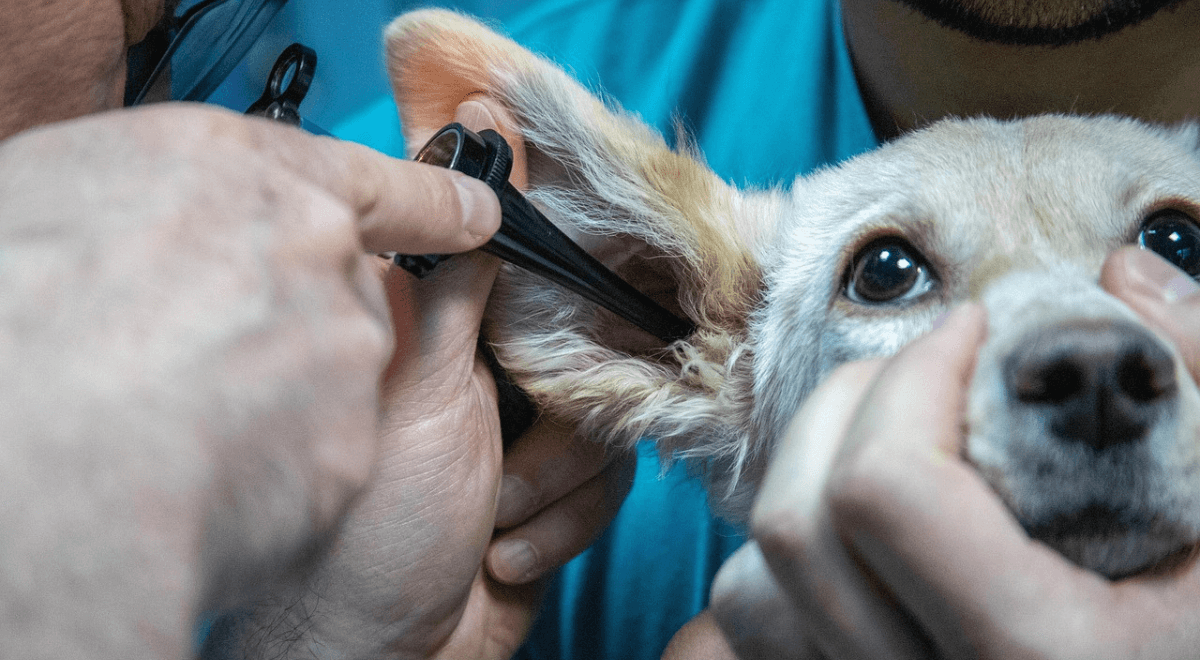
Gently clean your pet’s ears as part of your regular pet care routine- especially after baths or swims. Use only vet-approved ear cleaners and avoid inserting cotton buds too deep.
If your pet has recurring ear infections, it could be due to underlying allergies, so keep an eye on diet or grooming products that might be triggering irritation.
Conclusion
Now that we’ve explored the 6 most common pet health problems, it’s time to become more mindful of the little signs our pets show us. They may not speak our language, but their wagging tails, soft purrs, and sleepy eyes often say more than words ever could. We just need to observe a little more closely and listen a little more deeply.
Understanding these health issues is just one small way of giving back the endless love they bring into our lives. From noticing subtle changes to building a simple pet care routine, it’s the little things that make the biggest difference.
And if you are a pet parent – you are already doing a great job. Don’t be nervous. You and your furry companion will figure things out together. Take baby steps or better yet, baby paws- toward growing, learning, and loving side by side.
Explore our blog section for more pet care tips, insights from the pet industry, and heartwarming reads – only on Petrons.